
A milk frother effortlessly transforms ordinary milk into luxurious, café-quality foam. This device elevates coffee drinks from merely good to truly extraordinary. It unlocks professional-level beverages for home consumption. Every cup becomes a special experience, replicating a barista’s touch in your kitchen.
Key Takeaways
- A milk frother makes your coffee taste better. It adds a sweet, creamy texture to drinks.
- You can make fancy coffee drinks at home. This includes lattes and cappuccinos.
- Using a milk frother saves you money. You spend less on coffee shop drinks.
- There are different types of frothers. You can choose manual, electric, or steam-based ones.
- Whole milk works best for frothing. Non-dairy milks like oat milk also work well.
- Heat milk to the right temperature. This makes the foam sweet and stable.
- You can use a frother for more than coffee. Make hot chocolate or cold foam drinks.
- Practice helps you make perfect foam. Learn to avoid big bubbles for smooth results.
Why a Milk Frother Transforms Your Coffee
Elevating Taste and Texture with a Milk Frother
Enhancing Flavor Profiles
A milk frother significantly enhances coffee’s flavor profile. Frothing milk introduces air, which boosts its flavor and aroma. This process creates a sweeter taste. The sweeter taste complements the coffee’s inherent richness. This improved flavor profile makes the coffee feel more indulgent. Adding milk also softens any harshness in the coffee. It brings out subtle nuances in the coffee’s taste, providing a smoother, creamier experience. The tiny bubbles created by the frother break down milk proteins, making the milk sweeter and smoother. Heating milk breaks down and caramelizes its natural sugars. When hot milk is frothed, it creates a naturally sweet and rich milk foam. This foam contributes a rich, sweet flavor to the coffee, elevating the overall drinking experience.
Creating a Velvety Mouthfeel
The velvety mouthfeel of frothed milk is a key transformation. This luxurious texture comes from microfoam, a suspension of tiny air bubbles within the milk. Milk proteins, specifically casein and whey, play a crucial role. Casein molecules stabilize air bubbles, while whey proteins contribute to a smooth, creamy texture. Fats also add richness and thickness, enhancing the luscious mouthfeel. The heating process causes water molecules to gain energy, contributing to frothiness and creating small bubbles that form microfoam. During the texturing phase, a whirlpool effect distributes heat and allows proteins to bond, stabilizing the foam. An ideal temperature range of 140°F to 160°F (60°C to 71°C) is crucial. This temperature ensures proteins reach their full potential in creating a smooth texture. Properly frothed milk, especially microfoam, creates a silky texture. This texture softens coffee’s bitterness, balances acidity, and contributes to a harmonious flavor profile. The tiny air bubbles in frothed milk trap heat, maintaining an optimal drinking temperature and providing a luxurious mouthfeel.
Crafting Café Favorites at Home
Mastering Lattes and Cappuccinos
A milk frother empowers individuals to master classic café beverages at home. Lattes and cappuccinos, once exclusive to coffee shops, become easily achievable. The key lies in creating the perfect milk foam. For lattes, a smooth, velvety microfoam integrates seamlessly with espresso, creating a creamy texture. Cappuccinos require a thicker, airier foam that sits atop the espresso, offering a distinct contrast in texture. With practice, users can consistently produce the ideal foam for each drink. This allows for personalized adjustments to milk-to-coffee ratios and foam consistency.
Exploring Macchiatos and Beyond
Beyond lattes and cappuccinos, a milk frother opens up a world of other café favorites. Macchiatos, with their distinct layers of espresso, milk, and foam, become simple to assemble. Flat whites, known for their thin layer of microfoam, are also within reach. The versatility of frothed milk extends to various other beverages. This includes specialty drinks found in high-end coffee establishments. Users can experiment with different milk types and frothing techniques. This exploration leads to unique and satisfying creations, expanding one’s home barista repertoire.
The Cost-Saving Power of Your Milk Frother
Reducing Daily Café Expenses
Investing in a milk frother offers significant financial benefits. Daily trips to a café for specialty coffee drinks accumulate substantial costs over time. By preparing these beverages at home, individuals can drastically reduce their daily expenses. The cost of milk and coffee beans is considerably lower than the price of a prepared drink. This shift in habit leads to notable savings.
Indulging in Premium Home Drinks
The savings from home preparation do not mean a compromise on quality. A milk frother allows for the creation of premium, café-quality drinks in one’s own kitchen. Individuals can enjoy luxurious beverages without the premium price tag. This means indulging in high-quality lattes, cappuccinos, and other frothy delights daily. The potential annual savings are substantial. Individuals can save between $720 and $1,620 per year by making their coffee at home. A specific example shows monthly savings of $75, totaling $900 annually. Generally, savings range from $500 to $1,000 annually. These savings depend on daily consumption habits and the quality of beans chosen.
Types of Milk Frothers: Finding Your Perfect Match
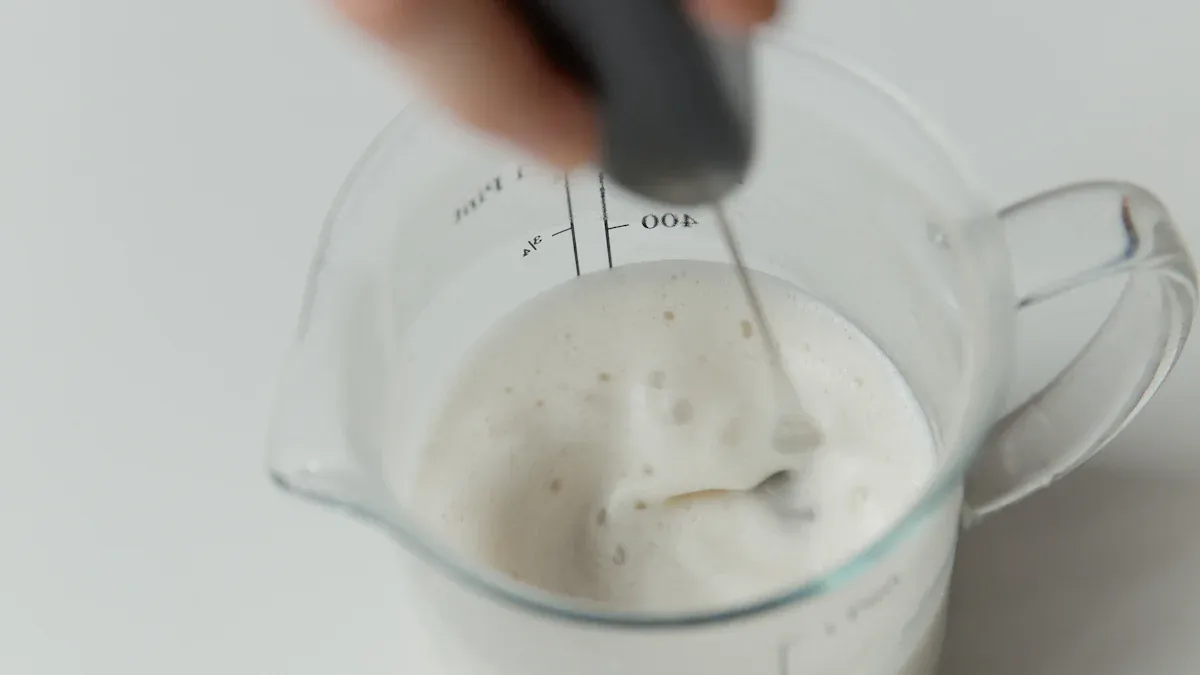
Selecting the appropriate milk frother significantly impacts a home barista’s experience. Various types exist, each offering distinct advantages in terms of convenience, control, and foam quality. Understanding these options helps individuals choose the best device for their specific needs.
Manual Milk Frother Options
Manual frothers provide a hands-on approach to milk texturing. They are often more affordable and portable.
Handheld Battery-Operated Frothers
These compact devices feature a small whisk powered by batteries. Users immerse the whisk into heated milk and activate it to create foam. The Judge Handheld Milk Frother TC344 exemplifies this type, offering a straightforward method for frothing small quantities. Handheld frothers are highly portable, making them suitable for travel or small kitchens. They require manual effort and skill to achieve consistent results.
French Press Frothing Method
A French press, typically used for coffee, also serves as an effective manual frother. Users pour heated milk into the press, then rapidly pump the plunger up and down. This action incorporates air into the milk, creating foam. This method offers a cost-effective solution for those who already own a French press.
Electric Milk Frother Convenience
Electric frothers offer greater automation and consistency, simplifying the frothing process.
Automatic Heating and Frothing Devices
These devices combine heating and frothing functions into one unit. They typically feature a jug with an integrated heating element and a whisk. Users simply add milk, select a setting, and the machine handles the rest. Models like the Lavazza A Modo Mio Easy Milk Frother, Nespresso Aeroccino 4 Milk Frother, and Smeg Milk Frother provide consistent froth quality with minimal effort. Many electric frothers offer multiple temperature and froth options, allowing for various textures from silky microfoam to thick cappuccino foam. They often include additional settings for heating milk without frothing or for cold foam.
Electric Frothing Wands
Similar to handheld battery-operated frothers, electric frothing wands often plug into an outlet, providing more power and consistent speed. They require users to heat the milk separately. These wands offer a balance between manual control and electric power.
Steam-Based Milk Frothers
Steam-based frothers utilize steam pressure to heat and texture milk, producing high-quality microfoam.
Integrated Espresso Machine Wands
Many espresso machines feature a built-in steam wand. Baristas use these wands to inject steam into milk, simultaneously heating and frothing it. This method offers precise control over milk texture, allowing for the creation of fine microfoam ideal for latte art. The De’Longhi Dedica EC 685.R Espresso Machine includes such a wand, providing barista-like control.
Standalone Steam Frothers
These devices operate independently of an espresso machine, offering steam-based frothing without the need for a full espresso setup. They provide a dedicated solution for achieving professional-grade steamed milk.
Mastering Your Milk Frother: Tips for Perfect Foam
Achieving perfect foam consistently requires understanding milk properties and frothing techniques. This section provides essential tips for mastering your frother.
Choosing the Best Milk for Frothing
The type of milk significantly impacts foam quality. Different milks offer distinct textures and flavors when frothed.
Dairy Milk for Optimal Creaminess
Whole milk is the ‘gold standard’ for frothing. It contains 3.5–4% fat and abundant proteins. This composition produces a luxuriously thick microfoam. This microfoam is ideal for latte art and creamy cappuccinos. Whole milk offers excellent stability and is easy for beginners to froth consistently.
Two percent milk is also a great option. It is easy to steam and froth. Its fat content is slightly less than whole milk. However, the difference is often negligible for achieving consistent, stable, albeit slightly lighter, froth. Skim or low-fat milk whips into voluminous foam quickly. It has a high protein-to-fat ratio (0–1% fat). The bubbles are larger and less stable. This makes it more suitable for airy drinks like macchiatos. Nonfat milk can produce a consistent and very stable foam. This occurs because of the absence of fat. The foam is stiffer. Some individuals prefer this dry, stiff foam for drinks like cappuccinos. However, its stiffness can make it difficult to pour for latte art.
Proteins are excellent foaming agents. They contribute to high volume and stable foam. Lactose enhances foam stability by increasing viscosity. This minimizes liquid drainage and air bubble coalescence. Fat, however, negatively impacts frothing properties. Higher fat content leads to poorer foamability and less stable foam.
Non-Dairy Milk Frothing Secrets
Non-dairy milks present unique frothing challenges. Their protein and fat compositions differ from dairy milk. Baristas often find oat milk and almond milk to be good alternatives. They often contain added stabilizers and proteins to improve frothing. Experimentation with different brands helps find the best results. Look for “barista blend” versions. These are specifically formulated for frothing.
The Ideal Temperature for Your Milk Frother
Temperature control is crucial for perfect foam. It affects both sweetness and stability.
Pre-Heating for Manual Frothers
Manual frothers require pre-heated milk. The ideal temperature range for frothing milk is typically between 140°F (60°C) and 155°F (68°C). Starting with hot milk helps stabilize the foam. It prevents the foam from collapsing immediately. Most baristas suggest heating milk to a range of 150°F to 155°F. This temperature releases the milk’s natural sweetness. It creates a smooth, appealing froth. Using a milk thermometer is crucial. This ensures achieving the optimal temperature without overheating.
Automatic Frother Temperature Control
Automatic frothers manage temperature internally. They heat milk to the optimal range. Overheating milk above 155°F can lead to a loss of sweetness. It can also cause a burnt taste. Overheating prevents the creation of stable foam. Heating milk beyond 70°C can cause milk proteins to degrade. This results in a dull, flat taste. The ideal temperature range for frothing milk for beverages is between 55°C and 65°C. This range enhances natural sugars and develops a creamy sweetness. Temperatures that are too cold prevent the foam from holding. Temperatures above 160°F scald the milk. They break down proteins and cause the foam to disappear.
The combined effect of fat content and temperature determines foam volume and stability. At colder temperatures, intact fat globules can puncture air bubbles. This leads to foam collapse. When heated, fat globules break down. The liquefied fat can stabilize air pockets. This is similar to denatured proteins. Milks with lower fat content, like skim milk, produce more stable and voluminous frothed foams below 113°F (45°C). Milks with higher fat content, like whole milk, yield more stable and voluminous steamed foams above 113°F (45°C). Skim milk exhibits optimal foam stability at 45°C. For whole milk, fat content negatively impacts foam formation and stability. This is particularly true within the 15°C to 45°C range.
Techniques for Consistent Milk Frother Results
Consistent results come from mastering specific techniques.
Achieving Microfoam Consistency
Microfoam is a suspension of tiny, uniform air bubbles. It creates a silky texture. Use cold milk to produce denser and creamier froth. Maintain the ideal temperature for long-lasting and thick foam. Adjust milk temperature based on desired froth density. Select the appropriate frothing setting based on desired foam density and temperature. Ensure proper technique and timing for consistent and creamy foam. Master the settings and functions of your Milk Frother. Consider the fat content of the milk. It influences consistency and temperature. Understand the impact of the speed and power of the frothing process. The size and shape of the frothing pitcher also play a role.
Avoiding Large Bubbles
Large bubbles detract from the velvety texture of microfoam. Gently tap the frothing pitcher on the countertop. This eliminates large bubbles after frothing. A common mistake leading to large bubbles is a blocked air intake. This can happen on an auto-frothing (pannarello-style) wand. These wands automatically inject the correct amount of air. If the air hole is obstructed, little to no air enters the milk. This results in poor froth. Regularly cleaning the wand and checking the intake hole prevents this problem.
Beyond Coffee: Creative Uses for Your Milk Frother
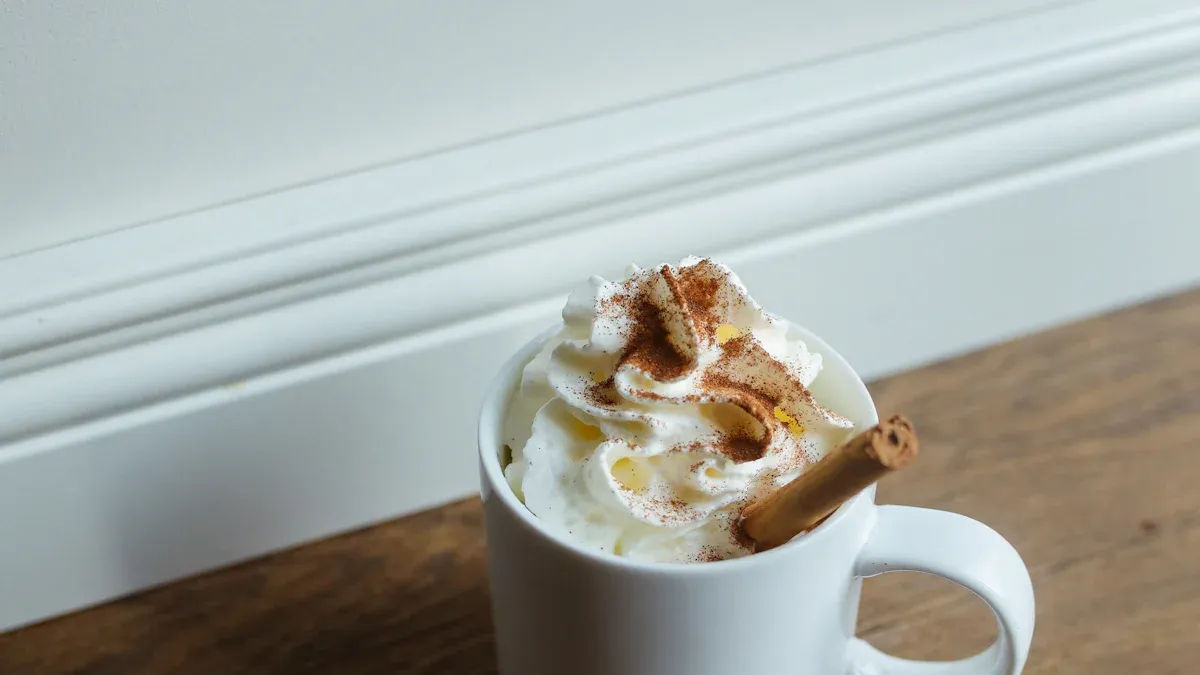
A frother extends its utility far beyond coffee beverages. It transforms various drinks into luxurious, café-style creations. Users can explore a wider range of culinary applications with this versatile tool.
Expanding Your Drink Repertoire
Elevating Hot Chocolates and Matcha Lattes
A frother significantly enhances popular non-coffee beverages. It makes hot chocolates and matcha lattes exceptionally smooth. This device effectively incorporates powdered ingredients into milk. It ensures a lump-free consistency for supplements, matcha, or chocolate mix. For optimal results, select milk with a higher fat content, such as whole milk or 2% milk. This choice provides a creamier texture and better froth. Non-dairy options like almond, oat, or soy milk also work well. Ensure the equipment is clean before use. Warm the milk to 140°F – 160°F (60°C – 70°C) in a stainless steel pitcher. Fill the pitcher about one-third full to allow for expansion. Avoid overheating the milk. Immediately rinse the frothing equipment with warm water after use.
Crafting Starbucks-Style Cold Foam
Users can easily create Starbucks-style cold foam at home. This popular topping elevates iced beverages. For Vanilla Sweet Cream Cold Foam, combine 0.25 cup of 2% milk, 1 tablespoon of powdered sugar, and 0.25 teaspoon of vanilla extract. Froth this mixture using a handheld frother. Various milk options work for cold foam, including heavy cream, regular milk, or plant-based milks like coconut, oat, almond, or soy. Flavorings such as caramel syrup, honey, vanilla extract, cinnamon, or cocoa powder can be added. An electric frother set to ‘Cold foam’ simplifies the process. Alternatively, a handheld frother can froth cold milk and flavorings in a tall glass until the desired consistency is reached. For Brown Sugar Cold Foam, combine 1 tablespoon of brown sugar syrup, 2 tablespoons of 2% milk, and 3 tablespoons of heavy cream. Froth until thick. Dairy-free versions are also possible using barista-style oat milk and soy milk.
Introduction to Latte Art with Your Milk Frother
Simple Pouring Techniques
Latte art adds an aesthetic dimension to beverages. Mastering fundamental pouring techniques is essential for beginners. Adjusting pour speed influences stroke thickness; a slower pour creates thicker lines, while a quicker pour results in thinner lines. Begin pouring a few inches above the cup to mix milk and espresso. For design creation, lower the pitcher close to the liquid surface. This ensures distinct designs float on top. The spout’s position dictates where the design appears. Align the spout’s tip with the top of the design. Start with the cup tilted at a 45-degree angle. Pour high and slow initially, then lower the pour to form the design. Gradually level out the cup as you finish. Pour your design promptly after frothing the milk. Milk destabilizes if left too long.
Practicing Basic Designs
Beginners can practice simple latte art designs to build muscle memory. The heart design is an excellent starting point. Pour milk close to the surface, making a small circle. To form the point, pour a tiny stream down the center and quickly pull away. Other basic designs include the flower, tulip, swan, and bear. Start with simple patterns before attempting more complex ones. Larger cups offer more space and a greater margin of error, making them ideal for practice.
Seasonal Sips and Flavor Infusions
Homemade Pumpkin Spice Lattes
Users can craft homemade pumpkin spice lattes, a classic fall flavor. Essential ingredients include 1 cup of milk, 2 tablespoons of unsweetened pumpkin puree, 1 or 2 tablespoons of sugar or maple syrup, 1/4 teaspoon of pumpkin pie spice, 1/2 teaspoon of vanilla extract, and 1/2 cup of strong coffee or one shot of espresso. Whisk milk, pumpkin purée, and sweetener in a small saucepan. Warm gently until hot but not boiling. Stir in pumpkin pie spice and vanilla extract. Use a frother, blender, or whisk to create a light foam. Pour hot coffee into a mug, then add the spiced pumpkin milk mixture.
Festive Peppermint Mochas
Peppermint offers a festive flavor infusion for seasonal treats. Infusing milk with fresh peppermint or chocolate mint leaves creates a delightful drink. Gingerbread, a blend of ginger, nutmeg, cinnamon, brown sugar, molasses, and vanilla extract, can also be infused into milk for a gingerbread latte. Maple cinnamon provides a cozy, spiced latte by frothing maple syrup, cinnamon, and milk together. These infusions expand the drink repertoire beyond traditional coffee.
Choosing and Using Your Ideal Milk Frother
Selecting the right Milk Frother significantly enhances a home barista’s capabilities. Careful consideration of various factors ensures the chosen device meets specific needs and preferences.
Key Considerations for Your Milk Frother Purchase
Price, Features, and Capacity
When choosing a milk frother, individuals consider their frothing preferences. Factors like budget, size, capacity, power, and frothing capabilities play a crucial role. The ideal frother aligns with specific frothing and heating needs, delivering the desired foam type and milk temperature. Budget is important; frothers are available at various price points, and even cost-effective options can deliver quality foam. Assessing available space and the amount of milk to be frothed is crucial for capacity. Larger capacity frothers suit larger volumes but can impact storage.
For example, the Breville Milk Cafe Milk Frother, a premium option, offers unparalleled customization with a variable temperature dial and two interchangeable whisk attachments. It boasts a generous 25-ounce capacity. The Nespresso Aeroccino 4 Milk Frother, a top splurge option, is compact and versatile, featuring four intuitive settings for various foam types. It has a 4-ounce frothing capacity. The Dreo BaristaMaker Milk Frother provides impressive performance at a budget-friendly price, offering multiple settings for hot and cold foam.
| Product | Price | Score |
|---|---|---|
| Breville the Milk Cafe | $160 | 89 |
| Capresso Froth Max | $50 | 82 |
| Nespresso Aeroccino3 | $99 | 77 |
| Instant Milk Frother | $40 | 71 |
Compatibility with Milk Types
A frother’s ability to handle various milk types is another critical consideration. Different frothers perform differently with dairy and non-dairy alternatives.
- NanoFoamer PRO: This device works with all milks (dairy, oat, almond, soy) due to its three optimized flow controllers, including specific ones for dairy and plant-based milks.
- Nespresso Aeroccino4: It performs exceptionally well with both dairy and non-dairy milks like oat, producing creamy, rich foam. While almond milk may not foam as voluminously, it generally handles various milks effectively.
- SMEG Milk Frother: This frother excels with plant-based milks and heavier liquids, creating well-structured foam, though it may take longer with thinner non-dairy varieties.
Real-World Milk Frother Examples
The Yisure Handheld Milk Frother for Everyday Use
The Yisure High Quality Food-Safe Automatic Handheld Coffee & Tea Blender Milk Frother Machine offers an accessible solution for daily use. This innovative frother creates rich, creamy froth in mere seconds, transforming ordinary beverages into extraordinary lattes, cappuccinos, or hot chocolates. Crafted with durable ABS and stainless steel, it ensures longevity and food safety. Its compact design makes it easy to handle and store. Powered by two AAA batteries, it offers cordless operation. A convenient metal stand keeps the frother neatly organized. Cleaning is simple: place the whisk under hot running water and briefly turn it on. This versatile tool is also perfect for blending teas or other beverages.
How Starbucks Utilizes Frothing Technology
Starbucks, a global coffeehouse chain, relies on advanced frothing technology to maintain consistency across its vast menu. Baristas primarily use integrated steam wands on high-end espresso machines. These wands provide powerful steam, allowing skilled baristas to texture milk precisely for lattes and cappuccinos, creating the signature microfoam. For cold beverages, Starbucks often employs automated systems to create cold foam, ensuring a consistent texture and volume for popular drinks like cold foam cold brews. This combination of manual skill and automated technology allows Starbucks to serve a wide range of frothy beverages efficiently.
A milk frother is undeniably a home barista’s secret. It offers an accessible and affordable way to consistently create café-quality beverages. This device transforms a daily coffee ritual into a delightful experience. It empowers individuals to experiment and enjoy a wider range of drinks right from their kitchen. The global portable frother market projects significant expansion, with an estimated 18 to 20 million units sold by 2029. This growth underscores its increasing value. It elevates the coffee experience, consistently creating creamy, frothy milk for a luxurious touch. This versatile tool also extends beyond coffee, enhancing flavor and aroma in various beverages.
FAQ
What type of milk works best with a milk frother?
Whole milk generally produces the creamiest, most stable foam due to its fat and protein content. Two percent milk also froths well. For non-dairy options, barista-blend oat milk and soy milk often yield excellent results. Users should experiment to find their preferred texture.
Can a milk frother create cold foam?
Yes, many electric milk frothers feature a cold foam setting. Handheld frothers can also create cold foam by whisking cold milk until it reaches the desired consistency. This allows users to enjoy popular iced beverages with a luxurious topping.
How do I clean my milk frother?
Cleaning is typically straightforward. For handheld frothers, rinse the whisk under hot running water immediately after use and briefly turn it on. Electric frothers often have non-stick interiors; wipe them with a damp cloth. Always consult the manufacturer’s instructions for specific cleaning guidelines. 🧼
What is microfoam, and why is it important?
Microfoam consists of tiny, uniform air bubbles suspended in milk. It creates a silky, velvety texture essential for high-quality lattes and cappuccinos. This fine foam integrates smoothly with coffee, enhancing flavor and allowing for latte art.
Can I use my milk frother for beverages other than coffee?
Absolutely! A milk frother is versatile. Users can use it to create frothy hot chocolates, matcha lattes, and even milkshakes. It also effectively blends powdered supplements into drinks, ensuring a smooth, lump-free consistency.
Is a manual or electric milk frother better?
The best choice depends on individual needs. Manual frothers offer portability and affordability, requiring more effort. Electric frothers provide convenience and consistent results with automated heating and frothing. Consider usage frequency and desired features.
How long does it take to froth milk?
Frothing time varies by device. Handheld frothers typically create foam in 15-30 seconds. Electric frothers, especially automatic heating models, may take 1-3 minutes to heat and froth milk to perfection. Steam wands froth milk in under a minute with practice.
Tip: Always start with cold milk for optimal frothing results, as it allows more time to incorporate air before the milk gets too hot.