
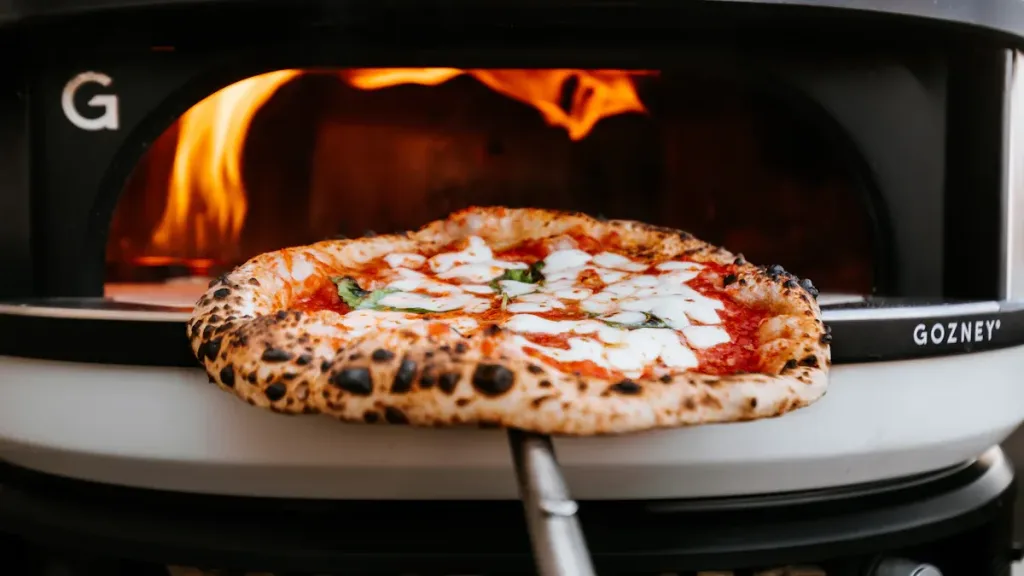
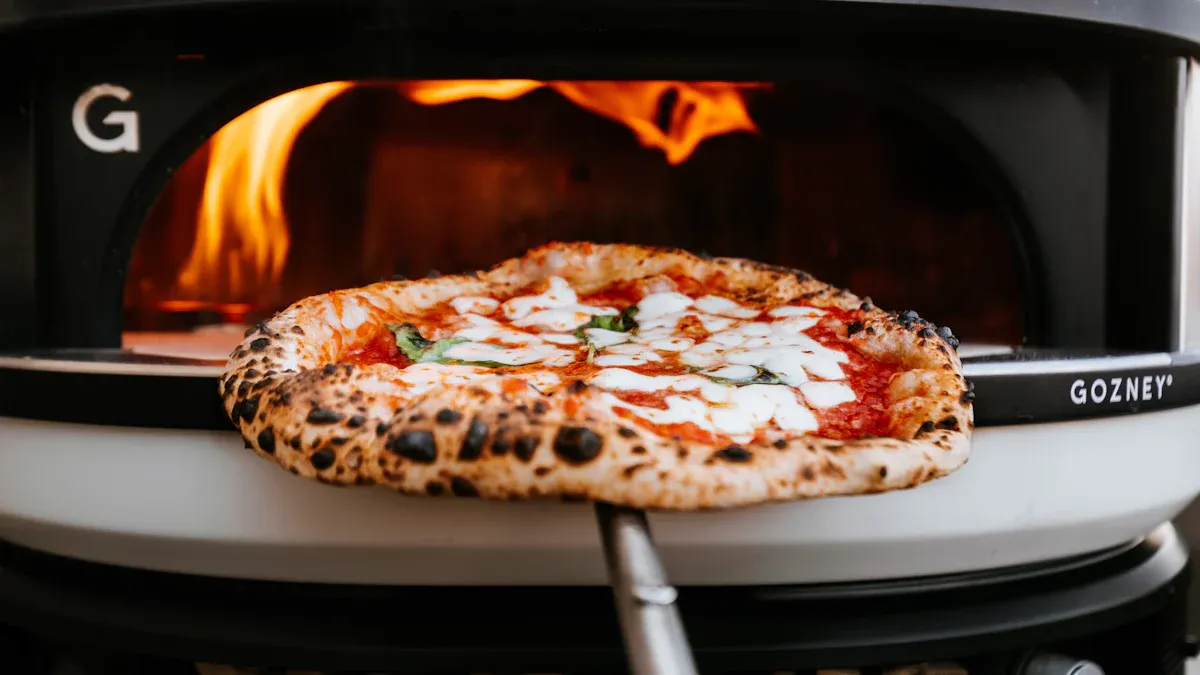
Discover the best indoor pizza ovens, allowing home chefs to achieve pizzeria-quality results effortlessly. An advanced Pizza Oven elevates the home pizza-making experience, offering precise temperature control and rapid heating for top-performing appliances. Find the perfect Automatic Electric Pizza Maker Machine to transform any kitchen into an authentic pizzeria, delivering delicious, perfectly cooked pizzas every time.
Key Takeaways
- High temperatures are important for good pizza. Look for ovens that reach 750°F or higher.
- Different ovens suit different needs. Consider size, budget, and extra features.
- Electric ovens are easy to use. They offer good control and are simple to clean.
- Safety is important. Ensure proper ventilation and follow all safety rules.
- Clean your oven often. This keeps it working well and makes your pizza taste better.
- Some ovens do more than pizza. They can bake, broil, and warm other foods.
- Smart ovens offer new features. They connect to apps for easy control and updates.
Top-Rated Indoor Pizza Ovens for Every Home Chef
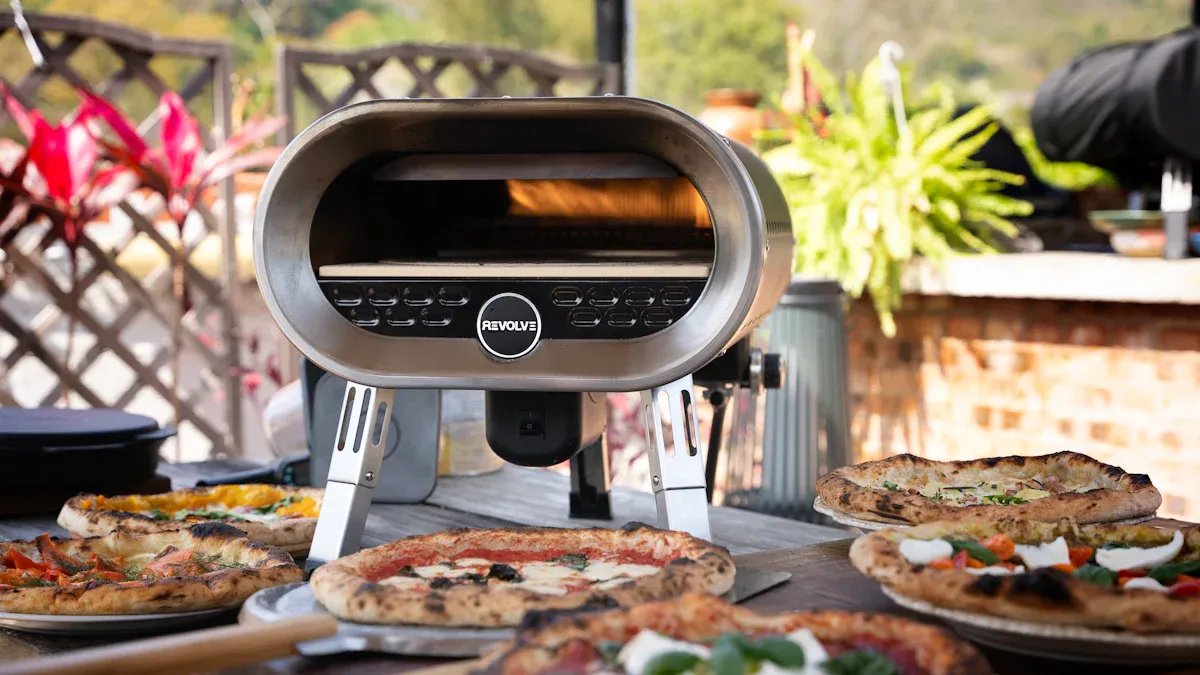
Best Overall Indoor Pizza Oven: Ooni Volt 2
Unmatched Performance and Versatility
The Ooni Volt 2, a leading indoor pizza oven, stands out for its exceptional performance and adaptability. It consistently produces truly stellar results across various pizza styles. This includes Neapolitan, thin and crispy, and pan pizzas. The oven preheats to lower temperatures in just 12 minutes. For Neapolitan pizzas, it reaches 850°F in 25 minutes. Thin and crispy pizzas require 660°F, achieved in 18 minutes. A "Boost feature" ensures quick stone temperature recovery between pizzas. This maintains consistent cooking performance. Ooni products are known for their reliability.
Key Features and Design
The Ooni Volt 2 incorporates Ooni’s Pizza Intelligence™ system. This system automatically adjusts power and heat distribution. It ensures perfectly balanced results for every pizza. The oven offers four preset pizza modes. It also includes two customizable settings. These options provide consistency and allow for diverse pizza styles. The oven reaches high temperatures, up to 850°F. This offers precise control for different pizza types, from Neapolitan to deep dish. Its compact frame fits comfortably in modern kitchens. This enhances its versatility for home use.
Pros and Cons of the Ooni Volt 2
The Ooni Volt 2 excels in producing Neapolitan pizzas with ample leoparding. It cooks them quickly at high heat. Thin and crispy pizzas emerge with a crispy bottom, perfectly browned top, and pleasant chewiness. Pan pizzas feature crispy edges and a pillowy soft inside. The oven’s technology, including "Pizza Intelligence technology" and presets, simplifies the cooking process.
Specifications and Price
The Ooni Volt 2 consistently delivers high-quality results. It handles various pizza styles with precision. Its advanced heating system and intelligent controls make it a premium choice for home chefs.
Best Compact Indoor Pizza Oven: Breville Smart Oven Pizzaiolo
Space-Saving Design and Efficiency
The Breville Smart Oven Pizzaiolo offers a compact indoor pizza oven solution for home pizza making. It measures 18.1 inches in width, 18.5 inches in depth, and 10.6 inches in height. This makes it quite compact compared to most other pizza ovens. Its design allows it to fit easily on kitchen countertops.
Precise Temperature Control
This oven features the Element iQ system. This system directs power to specific heating elements. It adjusts based on the pizza type. The optimal stone temperature on the Neapolitan setting reaches 756°F. The average internal oven temperature on this setting is 663°F. For the New York preset, the ideal average pizza stone temperature is 520°F. The Element iQ system uses temperature sensors and a PID control unit. This creates an optimal baking environment within the insulated oven. This implies a high degree of precision in maintaining consistent temperatures.
Advantages and Limitations
The Breville Smart Oven Pizzaiolo offers exceptional temperature control. Its compact size is a significant advantage for smaller kitchens. It consistently achieves specific temperatures for different pizza styles. This ensures high-quality results.
Technical Details
The oven’s Element iQ system is central to its performance. It precisely manages heat distribution. The PID control unit ensures temperature stability. These features allow for consistent and reliable pizza cooking.
Best Budget-Friendly Indoor Pizza Oven: Gourmia Digital Pizza Oven
Affordable Quality for Home Use
The Gourmia Digital Pizza Oven provides high quality at a budget-friendly price point. It reaches temperatures up to 783°F. This high temperature is crucial for cooking high-quality pizza quickly.
Essential Features for Great Pizza
This oven offers separate manual controls. Users can independently adjust the top and bottom heating elements. This allows for precise cooking adjustments. It effectively cooks New York style pizza. This demonstrates its performance quality.
Value Proposition
The Gourmia Digital Pizza Oven delivers excellent performance for its cost. It provides essential features for making great pizza at home. Its high temperature capability and precise controls offer significant value.
Product Specifications
The oven’s ability to reach 783°F is a key specification. Its independent top and bottom heating controls are also important features. These specifications highlight its capability for quality pizza production.
Best High-Performance Indoor Pizza Oven: Effeuno P134H
Professional-Grade Results at Home
The Effeuno P134H brings professional pizzeria quality directly into home kitchens. This high-performance oven allows home chefs to achieve authentic, restaurant-grade pizzas. It consistently delivers superior results, making it a top choice for serious pizza enthusiasts.
Advanced Heating Technology
The Effeuno P134H incorporates advanced heating technologies. It uses PID technology for precise temperature stability through its advanced electronic control. This oven reaches higher maximum temperatures, up to 509°C, for authentic pizza baking. It features enhanced insulation and optimized heating elements, improving efficiency and conserving energy. A boost function delivers a 60-second power surge, achieving a perfectly crispy crust. Advanced electronic thermocouples provide precise and stable temperature control. These high temperatures allow pizzas to bake in just 90 seconds on an Effeuno biscotto stone, ensuring flawless results.
Performance Benefits and Drawbacks
The Effeuno P134H reaches temperatures exceeding 1,000 degrees Fahrenheit. It preheats to over 1,000 degrees Fahrenheit in approximately 30 minutes. The oven offers a very quick recovery time. The stone temperature does not drop significantly after cooking a pizza. This allows users to prepare many pizzas for a party without delay.
Detailed Specifications
This oven’s ability to reach extreme temperatures quickly sets it apart. Its precise temperature control and rapid recovery make it ideal for continuous pizza production. The Effeuno P134H offers a robust build and advanced features for consistent, high-quality pizza making.
Best Multi-Functional Indoor Pizza Oven: Ninja Artisan
Beyond Pizza: Versatile Cooking Options
The Ninja Artisan extends its capabilities far beyond just pizza. This versatile appliance allows users to bake sweet and savory items. It also offers broiling and warming functions. Users can even proof pizza dough. The Ninja Artisan cooks various foods, including cookies, roast chicken, and fresh bread. Its wide temperature range, from 90 to 700 degrees Fahrenheit, supports these diverse cooking tasks.
Innovative Features
The Ninja Artisan distinguishes itself with innovative features. It reaches high temperatures for achieving crispy Neapolitan-style results. It offers diverse baking functions, all while ensuring electric safety. This makes it a high-performance and convenient cooking appliance for the home.
Why Choose the Ninja Artisan
Home chefs choose the Ninja Artisan for its exceptional versatility. It combines the ability to make high-quality pizza with a broad range of other cooking functions. This makes it a valuable addition to any kitchen, maximizing utility and saving counter space.
Technical Overview
The Ninja Artisan’s design focuses on both performance and convenience. Its wide temperature range and multiple cooking modes provide flexibility. The appliance delivers consistent results across all its functions, from baking to broiling.
Emerging Indoor Pizza Oven: Current Backyard Model P Smart Pizza Oven
Smart Technology for Perfect Pizzas
The Current Backyard Model P Smart Pizza Oven represents the future of home pizza making. It integrates smart technology for perfect pizzas. Smart connectivity and app integration enable precise temperature control, remote monitoring, and smart cooking programs. Users receive real-time notifications when the oven reaches the perfect temperature. Wi-Fi and BLE connectivity allow for seamless internet connection. App control lets users monitor and adjust temperature, check cooking progress, and control other details remotely. A pizza build calculator customizes cooking times based on pizza style and toppings. Users access a library of endless recipes tailored for the oven. It offers five cooking modes: Neapolitan, New York, Frozen, Thin Crust, or Broil, for optimal results. Firmware updates enhance the user experience, as the product’s firmware updates via the app.
User-Friendly Interface
This indoor pizza oven features a highly user-friendly interface. Smart connectivity and app integration provide precise temperature control, remote monitoring, and access to smart cooking programs. Users easily update the oven’s firmware through the Current® App. This installs new settings and enhances their experience over the product’s lifetime. Smart app control simplifies mastering various pizza styles, from Neapolitan to New York. A dual-pane viewing window allows users to monitor the pizza’s progress without opening the oven and losing heat. The Model P is the world’s first smart electric pizza oven with Bluetooth and Wi-Fi capabilities. An in-app pizza build calculator allows users to customize pizza ingredients. It then calculates optimal cooking time and temperature for a perfect bake.
Unique Selling Points
The Current Backyard Model P stands out with its comprehensive smart features. Its ability to connect and update via an app offers unparalleled convenience and future-proofing. The precise control and guided cooking options make it accessible for all skill levels.
Future of Indoor Pizza Ovens
This smart oven sets a new standard for indoor pizza ovens. It demonstrates how technology can enhance the home cooking experience. The Model P points towards a future where kitchen appliances are more connected, intelligent, and user-centric.
How We Tested and Evaluated Indoor Pizza Ovens
Rigorous Testing Methodology for Indoor Pizza Ovens
Maximum Temperature Attainment
Testers meticulously measured each oven’s ability to reach and sustain its advertised maximum temperature. This involved using calibrated thermometers to record preheating times and temperature stability over extended cooking periods. Consistent high heat is crucial for achieving authentic pizza crusts.
Pizza Cook Time and Consistency
The evaluation team timed the cooking duration for various pizza styles, including Neapolitan, New York, and thin-crust. They assessed consistency by baking multiple pizzas consecutively, noting any variations in cooking performance or temperature recovery between batches.
Crust Crispness and Leopard Spotting
Experts examined the crusts for optimal crispness and the presence of "leopard spotting," the desirable charring indicative of high-heat baking. They evaluated both the bottom and top crusts for even browning and texture.
Topping Uniformity and Melt
The testing process included an assessment of how uniformly the toppings cooked and how thoroughly the cheese melted. This ensured the oven distributed heat effectively across the entire pizza surface, preventing undercooked or burnt areas.
Key Evaluation Criteria for Indoor Pizza Ovens
Ease of Use and Setup
Evaluators assessed the ease of use and setup for each indoor pizza oven. This included features like non-stick surfaces for easy wiping and removable components (pizza stones, trays, crumb trays) for thorough washing. User-friendly controls, encompassing digital displays for accurate temperature readings and intuitive dials for simple temperature and timer adjustments, were also critical. Safety features, such as automatic shut-off functions to prevent overheating and cool-touch exteriors, received careful consideration. Portability and storage, including lightweight designs for easy movement and compact storage solutions, also played a role.
Safety Features for Indoor Operation
Safety protocols mandated the use of protective gear, such as heat-resistant gloves, to prevent burns and injuries. Testers kept a fire extinguisher nearby, ensuring its suitability for wood and grease fires. Indoor installations required careful consideration of clearances to combustible materials; for example, Mugnaini ovens are UL approved for a two-inch clearance. Proper venting was crucial, adhering to UL standards and local codes, which might range from a simple chimney run to complex mechanical systems. A storm door was recommended for indoor ovens when not in use to prevent cold air from entering through the chimney pipe. Testers utilized tools like pizza peels or tongs to keep hands safe from the hot interior. Maintaining a clean oven was also paramount, as accumulated grease and food particles pose fire hazards and obstruct airflow.
Cleaning and Maintenance Requirements
The team evaluated the simplicity of cleaning and maintaining each oven. They considered factors such as accessible interiors, non-stick coatings, and the ease of removing and cleaning pizza stones or other components. Low-maintenance designs scored higher.
Build Quality and Durability
Experts scrutinized the materials and construction of each oven. They assessed the quality of stainless steel, insulation, and heating elements. Durable construction ensures longevity and consistent performance over time.
Essential Features to Look for in an Indoor Pizza Oven
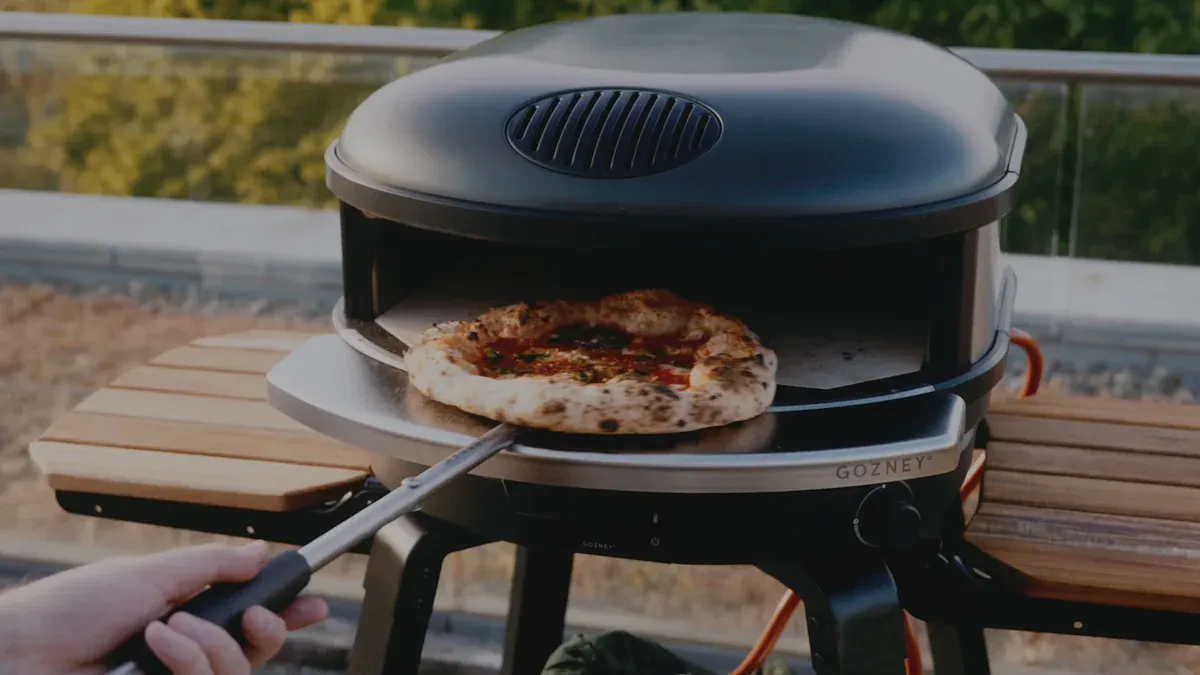
Maximum Temperature and Heating Elements in an Indoor Pizza Oven
Achieving Pizzeria-Level Heat (400°C)
Achieving high temperatures is crucial for authentic pizza. A quality indoor pizza oven reaches the heat levels necessary for a perfect crust. To achieve desirable leopard spotting, preheat your pizza oven to a stone temperature of 400°C / 750°F. For a standard home oven to achieve a crispy-yet-chewy crust, the ideal temperature is between 450°F and 500°F (230°C to 260°C). For Neapolitan-style pizza with characteristic leopard spotting blisters in a home oven, set it to its maximum temperature (usually 500-550°F) with a pizza stone or steel. Authentic Neapolitan pizza in professional wood-fired ovens requires extremely high heat, traditionally 800-900°F. Modern indoor pizza ovens replicate these conditions, ensuring rapid cooking and superior texture.
Types of Heating Elements and Their Impact
Different heating elements contribute to the oven’s performance. Many indoor pizza ovens feature both top and bottom heating elements. This design ensures even heat distribution. Top elements brown the cheese and toppings, while bottom elements crisp the crust. Some advanced models also include side elements or convection fans. These features further enhance heat circulation and cooking consistency. The type and placement of heating elements directly impact the final pizza quality.
Cook Time and Energy Efficiency of an Indoor Pizza Oven
Rapid Cooking for Quick Meals
A significant advantage of specialized pizza ovens is their rapid cooking time. High temperatures allow pizzas to cook in minutes, sometimes as quickly as 90 seconds. This speed makes them ideal for quick meals or entertaining guests. The fast cooking process also locks in moisture and flavor, preventing the pizza from drying out.
Energy Consumption and Insulation
Electric indoor pizza ovens are generally more energy-efficient for pizza making compared to standard kitchen ovens. They reach the desired cooking temperature much faster and retain heat effectively. This design reduces overall energy consumption during the cooking process. Consider the power consumption when evaluating models. For example:
| Model Name | Power Consumption (Watts) |
|---|---|
| Effeuno P134-HA | 3200 |
| Kenmore Indoor Electric Pizza Oven | 1750 |
Good insulation plays a vital role in energy efficiency. It helps maintain consistent internal temperatures and prevents heat loss.
Size and Countertop Footprint of an Indoor Pizza Oven
Kitchen Space Considerations
Kitchen space is a practical concern for any new appliance. Indoor pizza ovens come in various sizes. Home chefs should measure their available countertop space before purchasing. Here are some typical dimensions:
| Model | Dimensions (inches) |
|---|---|
| Gourmia All-in-One Indoor Pizza Oven Air Fryer | 18.1 x 18.5 x 10.6 |
| Cuisinart Indoor Pizza Oven | 21.37 x 19.80 x 14.09 |
| Ooni Volt (discontinued) | 24 x 21 (needs quite a bit of space) |
| Unspecified model (25 lbs) | 17.5 x 19 x 11 |
| Unspecified model (17.5 x 19 inches) | 17.5 x 19 |
A compact design ensures the oven fits comfortably without cluttering the kitchen.
Pizza Size Capacity and Versatility
The oven’s internal dimensions determine the maximum pizza size it can accommodate. Most indoor models handle pizzas up to 12 or 13 inches. Some larger units can fit 16-inch pizzas. Consider the typical pizza size you plan to make. A versatile oven allows for different pizza sizes, offering more flexibility for various culinary creations.
Safety and Ventilation for Indoor Pizza Ovens
Indoor Operation Safety Standards
Operating an indoor pizza oven safely requires adherence to specific standards and certifications. Local health and safety codes provide the foundational requirements for any oven installation. Key certifications like UL (Underwriters Laboratories) and ETL (Electrical Testing Laboratories) ensure products meet North American safety standards. These certifications are crucial for passing inspections, guaranteeing staff safety, and fulfilling insurance requirements. For instance, residential wood stoves and fireplaces typically comply with UL 737, while commercial wood-fired baking ovens follow UL 2162. Commercial gas cooking appliances adhere to ANSI Z83.11.
Proper installation by a certified professional is essential for safe and efficient operation. Many manufacturers validate warranties only when certified professionals install their ovens. Regular cleaning of pizza ovens is also critical, especially when using a hood system. This practice prevents grease buildup in ductwork, which can spread fire. NFPA 96, a comprehensive standard, governs ventilation control and fire protection in commercial cooking operations. It mandates specific cleaning schedules based on cooking volume and type to prevent grease accumulation, a leading cause of fires. NFPA 96 also requires certified fire suppression systems for pizza ovens.
Heat Dissipation and Airflow
Effective heat dissipation and proper airflow are non-negotiable for safety, air quality, and legal compliance. All indoor pizza ovens generate significant heat, requiring adequate ventilation to prevent heat buildup and ensure safe operation. Wood-fired ovens, for example, demand a dedicated, professional-grade chimney and ventilation system to meet fire codes. Gas and electric ovens also have specific ventilation requirements, though they may differ from wood-fired units.
Consulting local health and fire departments, along with an HVAC professional, is a necessary step before purchasing an oven. These experts help design a compliant and effective ventilation system. For commercial settings, ovens often require approval for installation with either a compliant direct connect chimney flue or a Type 1 Hood. Access panels should be installed for easy cleaning and inspection of the kitchen hood system by certified cleaners. During cleaning, all electrical switches must be locked, and vent ducts secured to prevent accidental operation.
Indoor Pizza Oven Buying Guide: Making the Right Choice
Fuel Type Considerations for Your Indoor Pizza Oven
Electric Indoor Pizza Ovens
Electric indoor pizza ovens offer distinct advantages for home chefs. Billy Manzo, owner of Federal Hill Pizza, noted significant cost savings after switching to electric, averaging about $426 per month. He also highlighted electricity’s inherent safety, contained nature, and cleaner burn. Electric ovens are easier to clean, saving several hours of weekly maintenance. These benefits make electric models an attractive option for many households.
Indoor-Safe Gas Pizza Ovens
Indoor-safe gas pizza ovens appeal to chefs prioritizing specific performance characteristics. Martin Arellano, executive chef at Roots Handmade Pizza, prefers gas ovens for their superior temperature control. This control leads to a more consistent product, especially with rotating ovens. He believes gas ovens provide more even heat distribution to the stones, which helps with cook times and creates a crispy pizza bottom. Kevin Gregory, creative director at AllDay Industry, suggests gas for classic New York-style pizzas due to lower energy costs, greater accessibility, and the longevity of parts. The choice often depends on the desired pizza style and operational priorities.
Material and Durability of Indoor Pizza Ovens
Stainless Steel Construction Benefits
The construction materials significantly impact an indoor pizza oven’s durability. While steel-lined ovens offer high thermal conductivity, they experience substantial heat loss during cool-down. This affects long-term efficiency. Stainless steel provides a sleek appearance and resistance to corrosion, making it a popular choice for exterior casings. However, internal components require materials with superior thermal properties for optimal performance and longevity.
Pizza Stone Quality and Longevity
Refractory materials are crucial for the internal structure and pizza stone quality. Firebrick, a solid material joined with mortar, forms durable barrel ovens. These ovens are versatile for various foods and offer more interior volume. Castable refractory, a type of cement, shapes into dome ovens. These are ideal for pure baking like pizza and bread, though they have less interior volume and a lower ceiling. Well-insulated refractory materials, like firebrick, offer a balance of density and thermal conductivity, proving durable over centuries. Modern designs use hot face ceramic fiber blankets for low thermal mass and conductivity, reducing fuel costs and enhancing long-term performance. Supporting stands are typically metal for interior use, while oven wall enclosures use metal studs and non-combustible wallboard. Extra insulation, such as fire blankets or pourable vermiculite, provides additional safety. Facade materials, like non-combustible cement board, are essential around the doorway.
Portability and Storage for Your Indoor Pizza Oven
Weight and Dimensions for Easy Movement
Consider the weight and dimensions of an indoor pizza oven for ease of movement. Lighter models are simpler to reposition or store when not in use. Compact designs fit better on countertops without dominating kitchen space. Evaluate the oven’s footprint against available counter space to ensure a comfortable fit.
Storage Solutions for Compact Kitchens
For compact kitchens, efficient storage solutions are paramount. Some indoor pizza ovens feature designs that allow for vertical storage or have removable parts for easier stowing. Manufacturers often design these appliances to be relatively compact, minimizing their countertop footprint. This allows users to store them in cabinets or pantries when not in use, maximizing kitchen utility.
Included Accessories with Your Indoor Pizza Oven
Essential Pizza Peels
A pizza peel is an indispensable tool for any home chef using an indoor pizza oven. This flat, shovel-like utensil allows for the safe and efficient transfer of raw pizzas into the hot oven. It also helps retrieve cooked pizzas without burning hands. Pizza peels typically come in two main materials: wood and metal. Wooden peels often feature a slightly beveled edge. This design helps slide under the dough easily. Many chefs prefer wooden peels for launching raw pizzas. They absorb some moisture from the dough, which prevents sticking. Metal peels, usually made from aluminum or stainless steel, are thinner. This thinness makes them ideal for turning pizzas inside the oven or retrieving them once baked. A good pizza peel ensures the pizza maintains its perfect round shape from preparation to plate. It also protects the chef from the oven’s intense heat.
Cleaning Brushes and Tools
Maintaining an indoor pizza oven requires specific cleaning brushes and tools. These accessories ensure hygiene and prolong the oven’s lifespan. A high-quality oven brush is crucial. These brushes often feature stiff bristles, sometimes made of brass, to effectively scrape off burnt food residue and flour from the pizza stone. Some brushes include a scraper on the back. This scraper helps remove stubborn, caked-on debris. Regular cleaning prevents the buildup of carbonized food particles. Such buildup can affect the taste of future pizzas and reduce the oven’s efficiency. A clean pizza stone promotes even cooking and prevents smoke. Some kits also include a small dustpan. This dustpan helps collect the scraped-off debris. Proper cleaning after each use keeps the oven in optimal condition. It also ensures every pizza tastes its best. These tools are essential for any home chef committed to quality pizza making.
Maintaining Your Indoor Pizza Oven for Longevity
Cleaning Best Practices for Your Indoor Pizza Oven
Post-Use Cleaning Routine
A consistent post-use cleaning routine preserves the oven’s condition. Users sweep the oven floor with a wire or brass bristle brush before and after each use. This removes loose debris. For wood-fired ovens, users empty ash trays after every session. This prevents ash buildup. Immediately removing spilled cheese or sauce after baking prevents hardening. Brushing away flour and dough particles daily also maintains cleanliness. Applying a food-safe degreaser on grease-prone areas after each pizza session keeps surfaces clean.
Deep Cleaning Schedule and Tips
A thorough deep cleaning every few months, or more frequently with heavy use, ensures optimal hygiene. For gas and electric ovens, users spray and wipe interior walls, the ceiling, and the cooking surface with a food-safe degreaser and a microfiber cloth. Soot stains on firebrick or stone require a baking soda paste, followed by rinsing with water and thorough drying. An oven scraper removes thick residue. Users wipe outer surfaces with a damp microfiber cloth or a mild cleaning solution. They dry stainless steel and powder-coated finishes to prevent rust. Polishing handles, knobs, and hardware completes the exterior cleaning. Always allow the oven to cool below 120°F before cleaning. Users wear heat-resistant gloves and safety goggles. They ensure all fuel sources, such as gas valves and electrical switches, are off.
| Category | Item | Purpose |
|---|---|---|
| Cleaning Tools | Wire brush | Loosen baked-on residue and carbon buildup |
| Brass bristle brush | Scrub without damaging refractory bricks or stone | |
| Oven scraper | Remove thick debris or melted cheese | |
| Ash Shovel | Collect ashes and burnt remnants | |
| Heat-resistant gloves | Protect hands from residual heat | |
| Microfiber cloths | Wipe away soot, grease, or cleaning solution residues | |
| Dustpan | Gather loosened debris and ash | |
| Cleaning Solutions | Food-safe degreaser | Eliminate grease and stubborn stains (metal/ceramic components) |
| Baking soda paste | Gently clean heat-sensitive elements (e.g., heating coils) | |
| White vinegar solution | Target mineral deposits and light stains |
Troubleshooting Common Issues with Indoor Pizza Ovens
Addressing Uneven Cooking
Uneven cooking often frustrates home chefs. Utilizing a steel pizza baking surface, such as the original Baking Steel, provides superior thermal conductivity. This ensures even heat distribution. The Baking Steel Plus stabilizes and maintains desired temperatures, defeating fluctuations that cause uneven cooking. It also eliminates hot spots, ensuring uniform cooking across the entire dish. Users rotate pizzas for even cooking, especially with single-side burners or traditional wood-fired setups. They rotate the pizza every 20-30 seconds during baking, using a turning peel if available. Regularly checking oven seals, cleaning interior surfaces, and calibrating temperature settings are preventative measures.
Managing Temperature Fluctuations
Temperature fluctuations impact pizza quality. Users employ a pizza oven thermometer, such as a handheld infrared thermometer, to accurately measure and monitor internal temperature. They adjust temperature by adding or removing fuel; adding more fuel increases heat, while spreading out coals or reducing fuel decreases heat. Maintaining a consistent fuel supply by adding small amounts regularly prevents significant temperature drops and spikes. Understanding the oven’s heat retention characteristics helps users periodically add fuel as needed. Rotating the pizza during cooking ensures even baking, especially since areas closer to the flame are hotter.
Extending the Lifespan of Your Indoor Pizza Oven
Proper Storage Techniques
Proper storage significantly extends an oven’s lifespan. Users store the oven in a dry, covered location when not in use. They ensure it is completely dry after cleaning. This prevents moisture damage and corrosion.
Regular Inspections and Care
Regular inspections and diligent care maintain integrity and performance. Users check for cracks, loose bolts, or other damage. They address malfunctions like uneven heating or temperature control issues immediately. For wood-fired ovens, users season the cooking surface with high-smoke-point oil after each use to maintain nonstick properties. Keeping the chimney clean ensures proper ventilation and prevents fire hazards. Users avoid harsh chemicals or abrasive scrubbing pads to prevent damage to the oven’s surface.
This guide presented a comprehensive overview of top-rated indoor pizza ovens, from the versatile Ooni Volt 2 to the smart Current Backyard Model P. These appliances empower home chefs to create pizzeria-quality pizzas. Readers can now make an informed decision, selecting the perfect oven to transform their culinary journey and achieve exceptional results at home.
FAQ
What is the ideal temperature for an indoor pizza oven?
A quality indoor pizza oven reaches 400°C (750°F) for authentic Neapolitan-style pizza. This high heat creates a crispy crust with desirable leopard spotting. Standard home ovens typically operate between 230°C and 260°C.
How long does an indoor pizza oven take to cook a pizza?
Indoor pizza ovens cook pizzas rapidly. High temperatures allow pizzas to bake in minutes, sometimes as quickly as 90 seconds. This speed makes them ideal for quick meals and entertaining guests.
Can an indoor pizza oven cook other foods?
Many indoor pizza ovens offer versatile cooking options beyond pizza. For example, the Ninja Artisan bakes sweet and savory items, broils, and warms. Its wide temperature range supports diverse culinary tasks.
What are the benefits of an electric indoor pizza oven?
Electric indoor pizza ovens offer significant advantages. They provide precise temperature control and consistent heat distribution. Electric models are also easier to clean and generally safer due to their contained nature.
How do users clean an indoor pizza oven?
Users sweep the oven floor with a wire or brass bristle brush after each use. They remove spilled cheese or sauce immediately. A thorough deep cleaning every few months involves degreasers and microfiber cloths for interior surfaces.
What safety precautions are essential for indoor pizza ovens?
Operating an indoor pizza oven safely requires adherence to standards. Users ensure proper ventilation and maintain clearances from combustible materials. They also use heat-resistant gloves and keep a fire extinguisher nearby.
What is "leopard spotting" on a pizza crust?
Leopard spotting refers to the desirable charred spots on a pizza crust. High-heat baking, typically around 400°C, creates these characteristic blisters. This indicates an authentic, perfectly cooked Neapolitan-style pizza.