
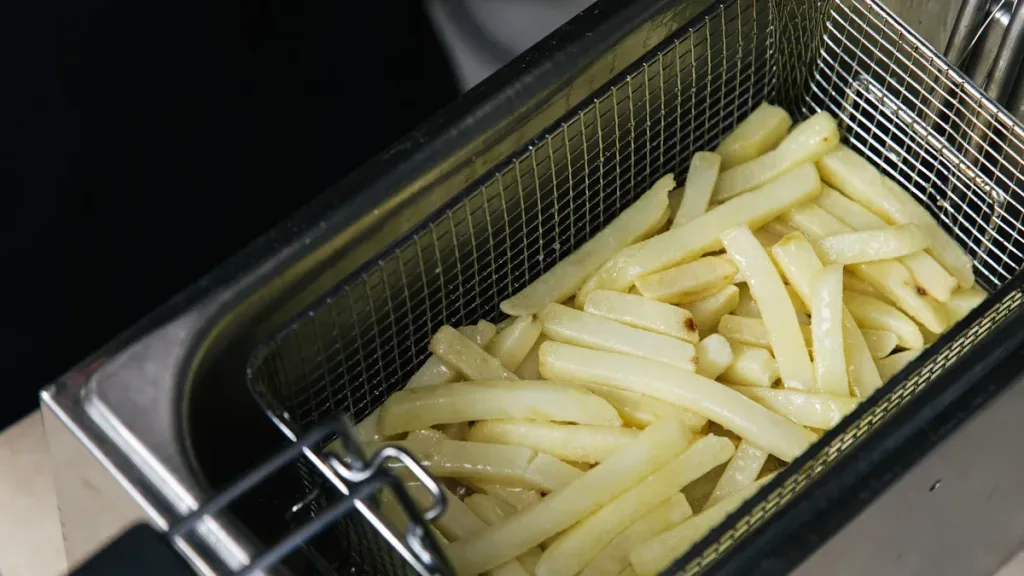
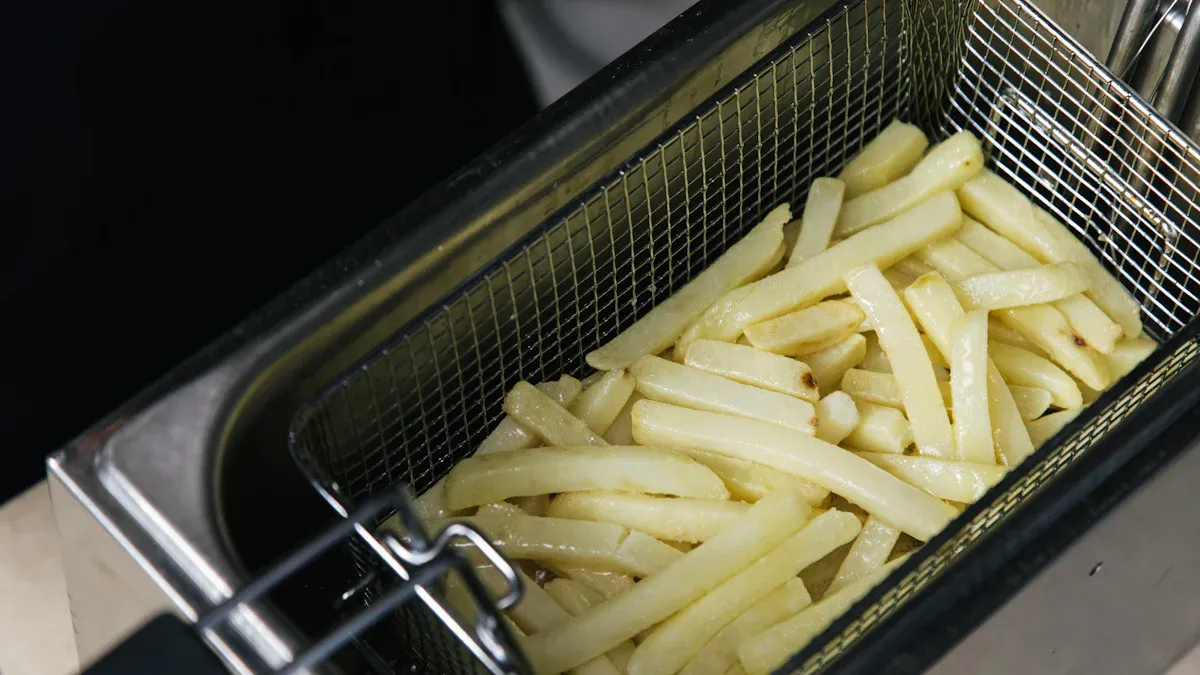
The Air Fryer has emerged as a significant kitchen appliance. Many consumers find it a worthwhile investment, offering substantial benefits in health, speed, and convenience. Its ultimate value, however, depends on individual needs and cooking habits. People often purchase these appliances for healthier meals, as they reduce fat consumption while achieving a crispy texture. They also value quicker cooking times, often cutting meal preparation by 50%. The convenience of such a device, especially for reheating leftovers and cooking frozen foods, makes it popular. This versatility, including roasting, baking, and grilling capabilities, makes a product like the 1500W 4L Capacity Air Fryer a multi-functional solution. A Style 1500W 4L Capacity Air Fryer, for instance, offers a single unit for various cooking methods.
Key Takeaways
- Air fryers cook food by circulating hot air. This makes food crispy with less oil.
- Air fryers offer healthier cooking. They use much less oil than deep frying, reducing fat and calories.
- Air fryers cook food quickly. They heat up fast and reduce cooking times compared to ovens.
- Air fryers are versatile kitchen tools. They can roast, bake, grill, and reheat many foods.
- Air fryers have some downsides. They have limited capacity, can be noisy, and take up counter space.
- Cleaning an air fryer requires care. Food can stick, and odors may linger if not cleaned well.
- Air fryers are great for specific users. Health-conscious people, busy families, and those with small kitchens benefit most.
Understanding the Air Fryer: More Than Just a Fryer
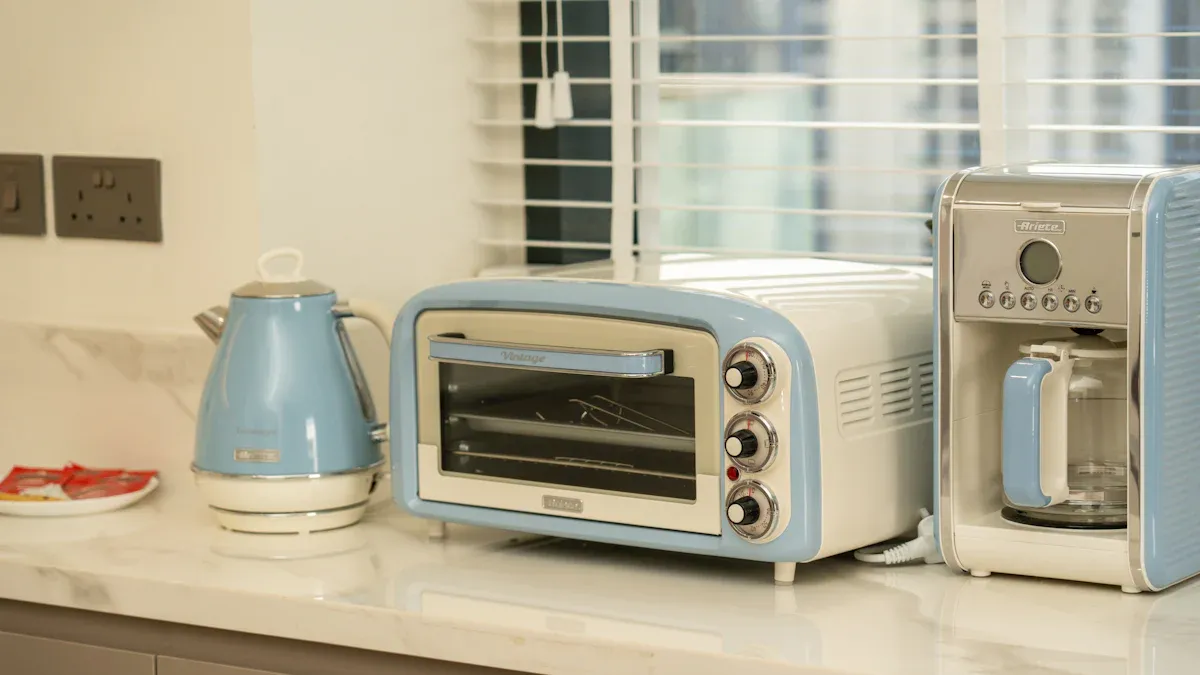
Many people consider the Air Fryer a simple kitchen gadget. However, it represents a sophisticated cooking technology. It offers a unique approach to preparing food.
What Exactly is an Air Fryer?
An Air Fryer is a compact countertop appliance. It cooks food by circulating hot air around it. This method creates a crispy exterior similar to deep-frying but uses significantly less oil.
How an Air Fryer Works
An air fryer cooks food primarily through convection. This process involves circulating hot air within its chamber using fans. This ensures the food is evenly enveloped by the hot air stream from all sides, leading to uniform cooking and the development of a crispy crust. A heating element quickly heats the air. Then, a powerful fan distributes this hot air rapidly around the food. This constant movement of hot air cooks the food thoroughly and efficiently.
Air Fryer vs. Convection Oven
People often compare an Air Fryer to a convection oven. Both appliances use fans to circulate hot air. However, key differences exist. An Air Fryer is typically much smaller. It has a more concentrated heat source and a more powerful fan. This design allows it to heat up faster and cook food more quickly than a standard convection oven. Its compact size also means the hot air circulates more intensely around the food, leading to a crispier result in a shorter time.
The Science Behind the Crisp in an Air Fryer
The appealing crispiness achieved by an Air Fryer is not magic. It results from specific scientific principles. These principles work together to transform food textures.
Rapid Air Circulation Technology
Air fryers achieve crisping through the rapid circulation of hot air. This acts as the medium for convective heat transfer, similar to deep frying but using air instead of oil. This hot air efficiently removes moisture from the food’s surface, a crucial step for crisping. The compact and airtight design of air fryers, along with a fan, ensures that hot air is rapidly and evenly circulated around the food, enhancing the efficiency and intensity of cooking. This rapid dehydration of the food’s surface creates a dry, crispy layer.
Achieving the Maillard Reaction
The browning and flavor development in air-fried foods come from the Maillard reaction. This chemical reaction occurs between amino acids and reducing sugars when exposed to heat. The process facilitates the Maillard reaction, which requires temperatures between 140-165°C, contributing to browning and flavor development. This reaction creates hundreds of new flavor compounds. It gives foods their characteristic browned appearance and savory taste. The high, consistent heat within the Air Fryer’s chamber provides ideal conditions for this reaction to occur effectively.
The Compelling Advantages of Owning an Air Fryer
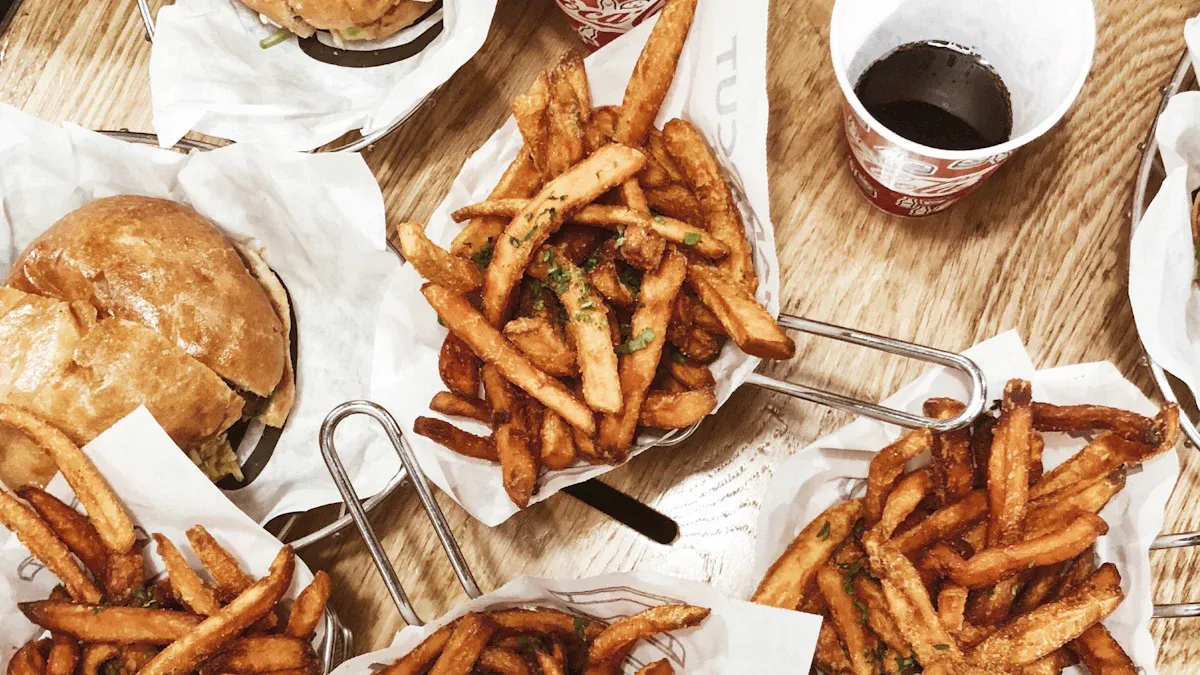
An Air Fryer offers numerous benefits that make it a valuable addition to any kitchen. These advantages span healthier cooking options, increased efficiency, and remarkable versatility.
Healthier Cooking with an Air Fryer
Many individuals prioritize health in their dietary choices. An Air Fryer supports this goal by significantly reducing the need for oil in cooking.
Significantly Less Oil Consumption
Cooking with an Air Fryer drastically cuts down on oil usage. Research indicates that french fries absorb significantly less oil when air-fried compared to traditional deep frying. When cooking with an Air Fryer, the amount of oil required is considerably less, specifically approximately 50%–70% less, compared to traditional deep frying methods. This reduction leads to foods with a lower fat content. This method allows people to enjoy their favorite crispy foods without the guilt associated with excessive oil.
Reduced Fat and Calorie Intake
Opting for air-fried foods over deep-fried alternatives can contribute to a lower calorie intake. Deep-fried foods are typically high in fat and calories. The extent of this benefit depends on how frequently people consume deep-fried foods and their role in one’s diet. Air fryers significantly reduce the amount of oil used compared to deep fat fryers. A 2015 study indicated that food prepared in an Air Fryer had substantially less fat. This method is considered healthier as traditional frying has been linked to weight gain and heart disease.
Unmatched Cooking Efficiency of an Air Fryer
Modern lifestyles demand quick and efficient meal preparation. An Air Fryer excels in this area, saving valuable time for busy individuals and families.
Faster Cooking Times
An Air Fryer cooks food much faster than conventional ovens. When converting a recipe for an Air Fryer, cooking times can be reduced by 20-50%. Typically, reducing the cooking time by 20% will suffice when converting an oven recipe for an Air Fryer. This efficiency means people spend less time in the kitchen and more time enjoying their meals.
Quick Preheat Capabilities
Unlike large ovens that require extended preheating, an Air Fryer heats up rapidly. Its compact size and powerful heating element allow it to reach desired temperatures in just a few minutes. This quick preheat capability further contributes to its overall cooking efficiency, making it ideal for spontaneous meals or snacks.
Versatility in the Kitchen with an Air Fryer
An Air Fryer is not just for "frying." It performs a wide range of cooking tasks, making it a multi-functional appliance.
Beyond Frying: Roasting, Baking, and Grilling
The capabilities of an Air Fryer extend far beyond simple frying. It effectively roasts vegetables, bakes desserts, and even grills certain foods. People can prepare a diverse array of dishes using this single appliance.
- Vegetables: Sweet Potato Fries, Brussels Sprouts with Bacon, Quick Air Fryer Carrot Fritters, Air-Fried Zucchini Chips, Air-fried cauliflower, Carrots, Green Beans, Bell Peppers, Asparagus, Crunchy Chickpeas.
- Baked Goods: Moist Air-Fryer Chocolate Chip Muffins, Healthy Air Fryer Blueberry Muffins, Air-Fried Ham and Cheese Muffin Cups, Store-Bought Cookie Dough.
- Main Courses: Pulled Pork Tacos, Crispy Air Fryer Chicken and Waffle Sliders, Air Fryer Lemon Garlic Shrimp, Air Fryer Falafel, Air-fryer shrimp, fish tacos, chicken parmesan.
- Snacks/Appetizers: Air-fried avocado Fries with Chipotle Dipping Sauce, Air-fryer buffalo cauliflower bites, crispy chickpeas.
- Desserts: Apple fritters, cinnamon sugar doughnuts, s’mores, Caramelized Bananas.
- Breakfast: Breakfast sandwiches, homemade cinnamon rolls, French Toast.
Effective Reheating of Leftovers
An Air Fryer excels at reheating leftovers, restoring their original crispiness and flavor. It surpasses microwaves in this aspect, preventing food from becoming soggy. People can reheat pizza, French fries, veggies, chicken wings, biscuits, garlic bread, hamburger patties, hotdogs, and any fried food with excellent results. This function minimizes food waste and enhances the enjoyment of previously cooked meals.
Achieving Desired Texture with an Air Fryer
An Air Fryer excels at producing desirable food textures. It consistently delivers results that enhance the eating experience for many dishes.
Crispy Exterior, Tender Interior Results
Air fryers function much like miniature convection ovens. They employ a fan to circulate hot air rapidly around food. This process causes foods such as fries and vegetables to crisp quickly on the outside. Simultaneously, the interior remains moist and tender. While an Air Fryer may not perfectly replicate the texture of deep-fried foods, it achieves a significantly crispier outcome than baking or steaming. This method creates a great crispy texture without requiring excessive oil. The circulation of hot air creates a crunchy, crispy exterior on various foods, including meats, pastries, and potato chips. However, when compared directly to deep-frying, air-fried french fries often exhibit less crispiness, though they maintain a similar moisture content. Air-frying can also result in a slightly different taste and a less intensely crispy consistency than traditional deep-frying. Existing research indicates that hot air frying influences both textural properties and moisture content. These characteristics vary depending on the frying time and temperature. As duration and temperature increase, the lightness of the food decreases. Foods generally exhibit satisfactory sensory characteristics when compared to traditional frying methods.
Perfect for Frozen Foods
The Air Fryer proves exceptionally effective for cooking frozen foods. It transforms items like frozen french fries, chicken nuggets, and fish sticks into perfectly crispy meals. The appliance’s rapid heating and consistent air circulation ensure even cooking. This prevents sogginess often associated with microwave reheating. Frozen foods emerge with a satisfying crunch, making the Air Fryer an ideal tool for quick and convenient preparation of these popular items.
User-Friendly Operation of an Air Fryer
The design of an Air Fryer prioritizes ease of use. This makes it accessible for a wide range of home cooks.
Simple Controls and Preset Functions
Most air fryers feature straightforward controls. These often include mechanical knobs or digital touchscreens. Many models also offer preset functions for common foods like fries, chicken, or fish. These presets automatically adjust cooking time and temperature. This simplifies the cooking process. Users can achieve consistent results with minimal effort. The intuitive interface reduces the learning curve, allowing individuals to start cooking quickly.
Less Mess Compared to Deep Frying
Cooking with an Air Fryer significantly reduces kitchen mess. Unlike deep-frying, which involves large quantities of hot oil that can splatter, an Air Fryer contains the cooking process within its basket. This eliminates oil splatters on countertops and stovetops. Cleanup becomes much simpler. The removable basket and tray are often dishwasher-safe, further enhancing convenience. This cleaner cooking method appeals to those who prefer a tidy kitchen environment.
The Practical Downsides to Consider Before Buying an Air Fryer
While an Air Fryer offers many advantages, potential buyers should consider several practical downsides. These factors can influence satisfaction and suitability for individual needs.
Capacity and Size Limitations of an Air Fryer
The compact design of many air fryers, while beneficial for quick cooking, presents limitations regarding capacity and physical footprint.
Small Batch Cooking for Families
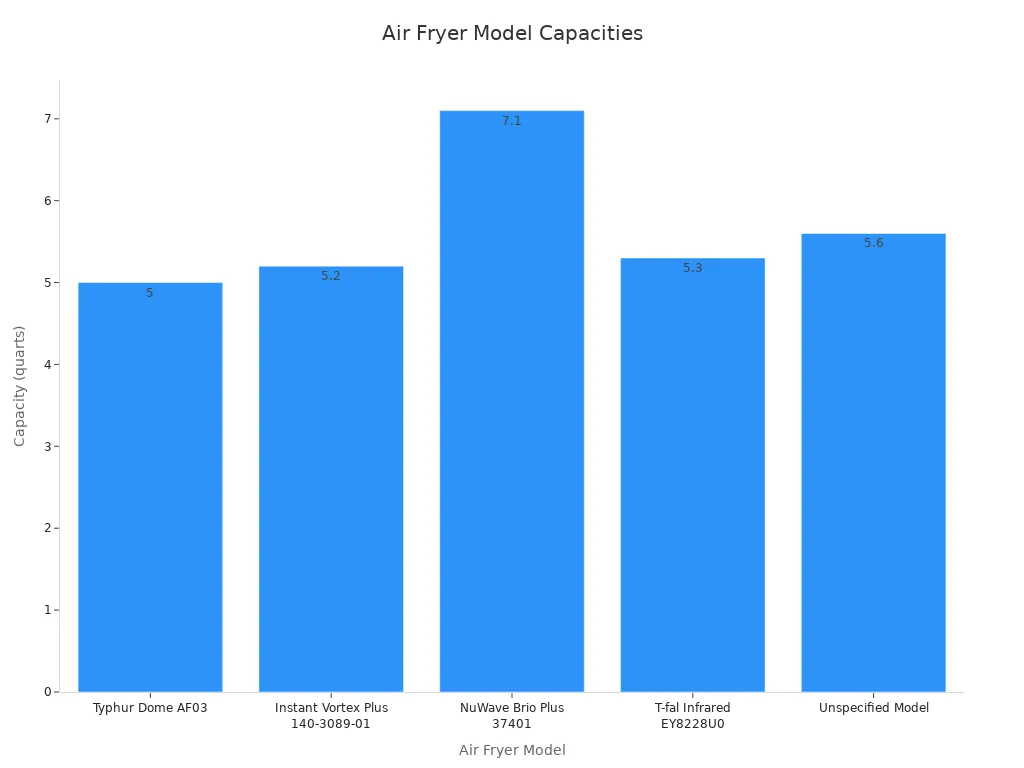
Air fryers often suit smaller households or individuals. Their internal capacity restricts the amount of food one can cook at a time. For example, some popular models offer capacities ranging from 5 to 7.1 quarts.
| Model | Measured Capacity (quarts) |
|---|---|
| Typhur Dome AF03 | 5 |
| Instant Vortex Plus 140-3089-01 | 5.2 |
| NuWave Brio Plus 37401 | 7.1 |
| T-fal Infrared EY8228U0 | 5.3 |
| Unspecified Model | 5.6 |
Small models, designed for one person, might offer only 2 quarts of space. Larger families often find themselves cooking in multiple batches. This extends meal preparation time, negating some of the efficiency benefits.
Countertop Footprint Concerns
An Air Fryer occupies valuable countertop space. Its physical dimensions can be substantial, especially for larger capacity models. Kitchens with limited counter space might find the appliance cumbersome. Users must consider where to store the unit when not in use. This can be a challenge in smaller living environments.
Cleaning and Maintenance of an Air Fryer
Maintaining an air fryer requires attention to detail. Specific cleaning challenges and potential issues with odor retention can arise.
Basket and Tray Cleaning Challenges
Cleaning the basket and tray of an air fryer can sometimes be difficult. Food particles and grease can stick to surfaces, requiring thorough scrubbing.
Burnt smells, sticky residue, and smoky surprises? That’s usually the result of poor cleaning habits. Over time, leftover grease and crumbs can clog the vents, coat the heating element, and reduce the machine’s efficiency.
Users must avoid abrasive tools to protect the non-stick coating.
- Odors often result from food or grease buildup.
- Non-stick coating wear can occur from using metal utensils or harsh cleaning materials.
- While some parts are dishwasher-safe, hand washing often preserves the non-stick coating.
- Avoid steel wool, harsh brushes, or sharp tools. These can scratch the non-stick coating, making food stick and cleaning more difficult.
- Do not submerge the entire unit in water. Avoid using high-pressure water on the housing or heating element.
Potential for Odor Retention
Air fryers can retain food odors over time. Strong smells from certain foods, like fish or heavily spiced dishes, can linger. This might affect the taste of subsequent meals. Regular and thorough cleaning helps mitigate this issue. However, some odors can be persistent.
Potential for Noise from an Air Fryer
The operation of an air fryer involves a fan, which generates noise. This can be a consideration for some users.
Fan Operation Sounds
The internal fan circulates hot air rapidly. This process creates a distinct whirring sound. The noise level can vary depending on the model and cooking temperature. Users should expect some level of operational noise during cooking cycles.
Varying Decibel Levels Across Models
Air fryers operate within a noise range of 50dB to 70dB. This is comparable to a normal conversation, which is around 60 decibels. Specific models show variations in their noise output:
- Cuisinart Afr Air Fryer: 59.8 dB
- Cosori Smart Air Fryer: 59.9 dB
- Kalorik Air Fryer: 65.4 dB
- Ninja Air Fryer: 66.1 dB
- Philips Air Fryers: up to 64.4 dB
- Calphalon Precision Air Fryer: 66.3 dB
- Iconites Air Fryer: 64.6 dB
The noise level also varies with temperature settings:
- On low temperature settings (100°C – 120°C), the noise level is typically around 45 – 50 dB. This is similar to a quiet conversation or a refrigerator.
- On medium temperature settings (150°C – 180°C), the noise level rises to about 55 – 60 dB. This is comparable to a dishwasher or moderate traffic.
- On high temperature settings (200°C – 220°C), the noise level can reach up to 65 – 70 dB. This is similar to a vacuum cleaner.
Learning Curve and Experimentation with an Air Fryer
New users often encounter a learning curve when they first operate an air fryer. Mastering this appliance requires some experimentation and adjustment.
Adjusting Recipes and Cooking Times
Users must adapt traditional recipes for air fryer use. The appliance cooks food differently than conventional ovens or deep fryers. People often find that cooking large batches of food presents a challenge. Air fryers are essentially small countertop ovens. Filling the basket too much leads to longer cooking times and less crispy results. Users must frequently rotate or shake food to ensure even cooking. This adjustment period requires patience and attention to detail.
Avoiding Overcooking and Dryness
The rapid cooking nature of an air fryer can lead to overcooked or dry food if users are not careful. The intense hot air circulation quickly removes moisture. Achieving a "fried" taste and texture often still requires adding a small amount of oil. Air alone cannot fully replicate the richness of traditional frying methods. Users should monitor food closely and adjust cooking times as needed. A small amount of oil helps achieve the desired crispiness and prevents excessive dryness.
Initial Cost and Energy Consumption of an Air Fryer
Potential buyers consider the initial investment and ongoing energy costs of an air fryer. These factors contribute to the overall value proposition.
Upfront Purchase Price
The initial purchase price of an air fryer varies significantly. Basic models can be quite affordable. Advanced models with larger capacities, digital controls, and smart features carry a higher price tag. This upfront cost represents an investment in a new kitchen appliance. Consumers weigh this cost against the perceived benefits and their budget.
Energy Usage Considerations
An air fryer generally consumes less energy than a conventional oven for many tasks. Its smaller size and efficient heating system contribute to this. Consider the following comparison for energy usage:
| Device | Warm Up Usage (Wh) | Remaining Usage (Wh) |
|---|---|---|
| Oven | 137 | 206 |
| Air fryer | 96.4 | 96.6 |
This data shows the air fryer uses less energy for both warm-up and sustained cooking.
- An oven consumes approximately 6.4375 Wh per minute (calculated from 206 Wh / 32 minutes).
- An air fryer consumes about 9.66 Wh per minute (calculated from 96.6 Wh / 10 minutes).
For a typical cooking scenario, the energy savings become clear:
- An oven might use 137 Wh for warm-up plus (83 minutes * 6.4375 Wh/min) for cooking, totaling 671.31 Wh.
- An air fryer might use 96.6 Wh for warm-up plus (50 minutes * 9.66 Wh/min) for cooking, totaling 579.6 Wh.
In this scenario, the air fryer consumes 91.71 Wh less than the oven. This demonstrates its energy efficiency for smaller meals or quick cooking tasks.
Who Benefits Most from an Air Fryer?
Many different types of individuals and households find significant value in this versatile kitchen appliance. Its benefits cater to specific needs, making it a worthwhile investment for various lifestyles.
Health-Conscious Individuals and an Air Fryer
People focused on improving their diet and overall well-being often find this appliance particularly useful. It supports healthier eating habits without sacrificing taste or texture.
Those Seeking Lower Fat Meal Options
Individuals aiming to reduce oil and calorie intake benefit greatly. This cooking method supports weight loss efforts. It makes vegetables more appealing, encouraging increased consumption, especially among picky eaters. This healthier preparation method can help manage cholesterol levels and decrease the risk of cardiovascular disease. It offers a healthier way to prepare crispy foods by using less oil than deep frying, leading to lower fat and calorie content.
People Managing Dietary Restrictions
This appliance offers a healthier alternative to deep frying. It results in fewer calories and can reduce inflammation, potentially lowering the risk of chronic diseases. A 2024 study from the University of Birmingham found that these appliances produce significantly less indoor air pollution (particulate matter and volatile organic compounds) compared to other cooking methods like pan-frying, stir-frying, and deep-fat-frying. This makes it a beneficial option for those concerned about indoor air quality.
Busy Households and Individuals with an Air Fryer
For those with demanding schedules, this appliance provides practical solutions for quick and efficient meal preparation.
Time-Saving Meal Preparation
This appliance significantly reduces cooking time.
- It’s fast: Cooking time is generally about half as long as using a traditional oven.
- It’s easy: Meals typically require minimal preparation, saving valuable time.
- It’s only one thing to clean up: It eliminates the need for multiple pots and pans, significantly reducing cleanup time.
- It simplifies meal prepping: Users can streamline the meal preparation process.
For instance, boneless, skinless chicken breasts cook in 15 to 20 minutes, burgers and meatballs in 10 to 15 minutes, and fish even quicker. It also roasts vegetables to perfection in a fraction of the time compared to an oven.
Quick Snack and Side Dish Solutions
This appliance excels at whipping up quick meals for children, such as crispy chicken tenders or veggie snacks. Its easy-to-clean non-stick baskets reduce cleanup time. It simplifies meal prepping by allowing users to cook vegetables, meats, and entire meals in one go, ideal for storing for later or feeding a family. It can prepare hands-off hot breakfasts like French toast and Eggs in a Basket in minutes, allowing users to attend to other tasks.
Small Kitchen Dwellers and an Air Fryer
Individuals living in smaller spaces or dormitories find this appliance incredibly useful due to its compact size and multi-functional capabilities.
Multi-Functional Appliance Use
This appliance serves multiple purposes in the kitchen. It can roast, bake, and grill, reducing the need for separate gadgets. Its versatility makes it a valuable tool for those with limited counter space.
Replacing Other Kitchen Gadgets
This single appliance can replace several traditional kitchen tools. It eliminates the need for a deep fryer, toaster oven, and even a microwave for reheating many items. This consolidation saves space and simplifies cooking processes in compact living environments.
Specific Use Cases for an Air Fryer
The Air Fryer’s versatility extends beyond typical home kitchens. Its design and functionality make it suitable for various unique environments and commercial settings.
Dormitory and Office Convenience
Air fryers offer significant advantages for individuals in limited spaces. Compact-capacity models are ideal for student dormitories. They fit easily on small desks or shelves. Students can prepare quick meals and snacks without needing a full kitchen. This allows for convenient reheating of leftovers or simple cooking of frozen items. Similarly, office pantries benefit from an air fryer. Employees can heat up lunches or prepare quick snacks. This increases user satisfaction and offers a healthier alternative to vending machine options. The appliance provides a practical solution for convenient cooking in environments where traditional kitchen setups are unavailable.
Small Restaurants and Cafés
Small restaurants and cafés can effectively utilize air fryers. These establishments often need to prepare snacks and side dishes on demand. An air fryer handles this task efficiently. Its simple operation means front-of-house staff can manage it. This reduces the need for specialized kitchen personnel. Using an air fryer helps reduce reliance on open flames. It also lowers the investment in traditional deep-frying equipment. This makes it a suitable choice for light catering businesses. Beverage shops and bakeries also find value in air fryers. They can quickly prepare items like pastries or small savory bites. The appliance offers a cost-effective and versatile cooking solution for these commercial settings. It supports quick service and diverse menu offerings without extensive kitchen infrastructure.
Making Your Informed Air Fryer Decision
Prospective buyers often consider several factors before purchasing a new kitchen appliance. Making an informed decision about an air fryer involves assessing individual cooking habits, understanding different models, and exploring ways to maximize its utility.
Assessing Your Cooking Needs for an Air Fryer
Evaluating personal cooking requirements helps determine if an air fryer aligns with one’s lifestyle and culinary preferences. This assessment includes how often one prepares certain types of food and the available kitchen space.
Frequency of "Fried" Food Consumption
Individuals should consider how often they consume "fried" foods. An air fryer offers a healthier alternative to deep-frying, but its value diminishes if one rarely prepares such dishes. Certain foods are unsuitable for air frying. These include wet-battered items, which often lose their coating, and whole chickens or large roasts, which cook unevenly. Pork bacon can cause grease splatters, and cheese melts too quickly. Raw grains or pasta cook unevenly, while leafy greens fly around inside the chamber. Broccoli tends to dry out, and toast produces excessive crumbs. Popcorn does not get hot enough. Expect a learning curve with trial and error, potentially leading to burnt, overcooked, or dried-out food due to a lack of specific air fryer recipes. This learning process can result in wasted food.
Available Kitchen Space and Storage
Kitchen space significantly impacts the practicality of an air fryer. Even smaller models occupy substantial counter space and may not fit under cabinets. They require ample surrounding space during operation to prevent overheating and fire hazards, with vents needing at least a foot of clearance from walls. Their bulky nature can make storage challenging, potentially requiring them to remain on the countertop and be moved frequently. For larger families or gatherings, batch cooking is often necessary, and cleaning may be required between batches, especially for sticky foods. The actual cooking surface is often smaller than advertised capacity, and while some foods can be stacked, most meats and vegetables cannot. Models vary from 5 quarts or larger for substantial meals, such as a whole chicken, to 5 quarts or less for smaller needs. Actual usable capacity can differ from manufacturer claims.
Comparing Air Fryer Models and Features
The market offers a diverse range of air fryer models, each with distinct features. Understanding these differences helps consumers select the appliance best suited for their specific needs.
Basket Style vs. Oven Style Air Fryers
Two primary styles of air fryers dominate the market: basket style and oven style. Each offers unique advantages and disadvantages.
| Feature | Basket-Style Air Fryers | Oven-Style Air Fryers |
|---|---|---|
| Capacity | Smaller, limited to smaller servings (e.g., 4 salmon fillets) | Larger, can cook bigger roasts and larger amounts of food |
| Cooking Speed | Generally faster due to smaller space | Slower to heat up due to larger size |
| Versatility | Limited to one item at a time | Can cook multiple items simultaneously with 2-3 racks; often includes rotisserie, broil, bake, dehydrate, roast, proof functions |
| Food Handling | Can shake and move food | Requires flipping or turning food |
| Cleaning | Most baskets are easier to clean | Wire racks can be harder to clean |
| Footprint | Smaller, fits well on countertops | Larger, takes up more countertop space |
| Cost | Generally less expensive | Definitely more expensive |
Basket-style models are typically more compact and cook faster due to their smaller internal volume. They excel at single-batch cooking and allow users to shake food for even crisping. Oven-style models, conversely, offer greater capacity and versatility. They often include multiple racks, rotisserie functions, and additional cooking modes like broiling, baking, dehydrating, roasting, and proofing. This makes them suitable for larger meals or preparing multiple items simultaneously. However, oven-style units take longer to preheat and occupy more countertop space. Their wire racks can also be more challenging to clean than a basket.
Digital vs. Analog Controls
Air fryers come equipped with either digital or analog controls. Analog controls feature simple dials for setting temperature and time. They are straightforward, user-friendly, and often found on more budget-friendly models. Digital controls, on the other hand, offer greater precision. They typically include LED screens, touch buttons, and often come with preset functions for various foods. These advanced features can enhance convenience and versatility, combining multiple appliance functions into one. Digital models may also offer additional functionalities like dehydration, baking, rotisserie cooking, specific food presets, cooking process indicators, and a ‘keep warm’ function.
Maximizing Your Air Fryer’s Potential
Once one acquires an air fryer, several strategies can help maximize its utility and enhance the cooking experience. These include investing in essential accessories and engaging with online communities.
Essential Air Fryer Accessories
Various accessories can significantly enhance the functionality and versatility of an air fryer. These tools help users explore a wider range of recipes and improve cooking results.
- Air fryer baskets and racks optimize space and airflow.
- Baking pans, pizza pans, and muffin tins allow for baking and roasting.
- Grill racks and plates enable grilling capabilities.
- Skewers and rotisserie accessories facilitate kebab making and rotisserie cooking.
- Tongs provide safe handling of hot food.
- Liners, such as silicone mats or parchment paper, simplify cleanup.
- Specialized air fryer cookbooks and digital cookbooks offer recipe inspiration.
- Digital thermometers, including meat thermometers, ensure food cooks to safe temperatures.
- Smartphone-compatible accessories and apps allow for remote monitoring.
- Cleaning tools, like brushes and scrapers, help maintain the appliance.
- Heat-resistant gloves protect hands from burns.
- A removable drip tray or splatter guard keeps the interior clean.
- A timer or automatic shut-off feature prevents overcooking.
- A basting brush or spray bottle helps apply oil evenly.
Recipe Resources and Online Communities
A wealth of recipe resources and online communities exists for air fryer users. These platforms offer valuable tips, tricks, and recipe ideas, helping users overcome the initial learning curve. Many websites, blogs, and social media groups dedicate themselves to air frying. They provide guidance on adjusting cooking times and temperatures for various foods. Engaging with these communities allows users to share experiences, troubleshoot issues, and discover new ways to utilize their appliance. This collective knowledge helps prevent common pitfalls like overcooking or dryness, ensuring a more satisfying cooking experience.
This appliance offers a compelling blend of healthier cooking, speed, and convenience, making it a valuable kitchen addition for many. Its ultimate worth depends on individual lifestyles, cooking preferences, and available kitchen space. Individuals prioritizing quick, crispy, and healthier meals find its benefits often outweigh any drawbacks, making it a worthwhile investment.
FAQ
What makes an air fryer a healthier cooking option?
An air fryer uses significantly less oil than traditional deep frying. This method reduces fat and calorie intake. It provides a healthier way to enjoy crispy foods without excessive oil.
What variety of dishes can one prepare in an air fryer?
An air fryer offers extensive versatility. It roasts vegetables, bakes desserts, and grills meats. It also efficiently reheats leftovers and cooks various frozen foods, including fries and chicken nuggets.
How quickly does an air fryer preheat?
Air fryers preheat very quickly. Their compact design and powerful heating elements allow them to reach target temperatures in just a few minutes. This feature enhances their overall cooking efficiency.
Do air fryers generate much noise during use?
Air fryers produce a distinct whirring sound from their internal fan. Noise levels typically fall between 50dB and 70dB, similar to a normal conversation. Noise output varies among different models.
What is the recommended cleaning process for an air fryer?
Cleaning involves washing the basket and tray, usually with soap and water. Users should avoid abrasive tools to protect non-stick coatings. Regular cleaning prevents food buildup and lingering odors.
Can an air fryer serve as a complete replacement for a convection oven?
An air fryer operates like a small convection oven, cooking faster due to its size. It performs many tasks a convection oven does, especially for smaller portions. However, it does not fully replace a large oven’s capacity.
Is it necessary to use oil when cooking with an air fryer?
While an air fryer requires much less oil than deep frying, a small amount often helps achieve optimal crispiness. It also prevents food from becoming too dry, enhancing both texture and flavor.